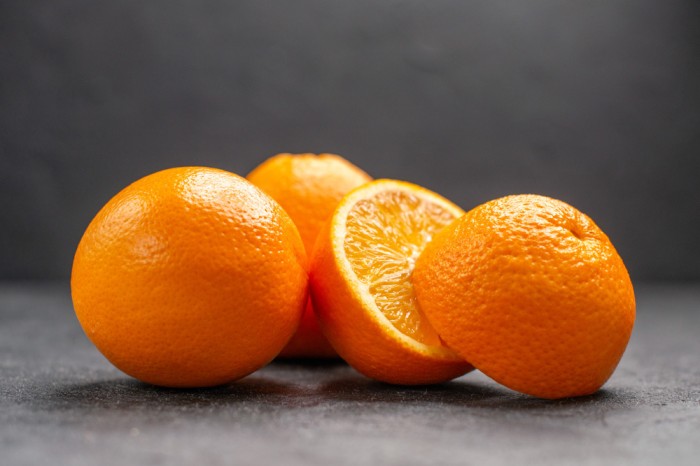

Picture this, you slice open a bright, juicy orange and breathe in that fresh, citrusy aroma—it’s like a mini spa moment, right in your kitchen. But did you know that single orange does more than just smell fantastic? It jumpstarts your immunity, supports your heart, and even gives your skin a glow-up. Let’s unpack why this unassuming fruit is actually a wellness superhero.
What Makes the Health Benefits of Orange So Powerful?
Oranges are a nutrient powerhouse. A perfect blend of water, fiber, vitamins, and protective plant compounds. For instance, one medium (140 g) orange provides:
- Calories: ~66
- Fibre: ~2.8g (~10% DV) for gut health
- Vitamin C: ~92% DV. Essential for immunity, collagen, and iron absorption according to Healthline
- Folate, Potassium, Calcium: Supportive of heart and cellular function
But it doesn’t stop there. Flavonoids (like hesperidin and naringenin) and carotenoids (like beta-cryptoxanthin and lycopene) add antioxidant firepower, with anti-inflammatory and anti-aging effects.
Health Benefits of Orange You’ll Actually Want to Know
Health Benefits of Orange for Heart Health
Think of your heart as the engine of your body and oranges as the premium fuel. Fiber helps trim LDL cholesterol and stabilise blood sugar, while flavonoids and potassium work in harmony to reduce blood pressure and inflammation. A review of 10 studies specifically found that regular orange juice lowered LDL, CRP, and blood sugar levels—and the whole fruit performs even better thanks to its fibre-rich profile.
Health Benefits of Orange for Immune Support
When it comes to immune function, vitamin C is the star player. It fuels white blood cells and helps reduce oxidative stress. But here’s the kicker, flavonoids like hesperidin and naringenin provide that extra layer of immune support by reducing inflammation and enhancing cellular defense . So yes, that daily orange genuinely packs more health than just a burst of flavour.
Health Benefits of Orange for Skin & Collagen
Vitamin C’s role in collagen synthesis isn’t just science, it’s visible on your skin. Imagine healthier tissue repair, fewer signs of aging, and a smoother complexion. By combining antioxidants with collagen-boosting effects, oranges help shield your skin from oxidative damage and keep it glowing.
Health Benefits of Orange for Digestive Health
Fibre isn’t just filler, it’s the gut’s best friend. Oranges’ soluble fibre acts like a gentle scrub for your intestines, smoothing digestion, easing constipation, and even feeding beneficial gut bacteria. Hydration from the fruit’s high water content adds another layer of digestive comfort.
Health Benefits of Orange for Anaemia Prevention
Vitamin C is your iron uptake co-pilot. Pairing an orange with iron-rich foods (like lentils, spinach) can boost absorption by around 10% . That simple three-segment tip can make a real difference for anyone watching their iron levels.
Health Benefits of Orange for Cancer & Chronic Disease
Long-term studies link high citrus fruit diets to reduced risk of lung, stomach, and oral cancers. Bioactive compounds like carotenoids, flavonoids, and limonene (found in peels) show promise in slowing cancer progression by inhibiting tumor growth and reducing oxidative stress.
[INSERT_ELEMENTOR id=”2553″]

Whole Oranges vs Orange Juice: Which is Better
While juice tastes delightful, the whole fruit reigns supreme:
- Juice is often higher in sugar and calories, lacking fiber—and even pasteurized, it loses up to 26–67% of antioxidant potency.
- Whole oranges impact blood sugar slower, are more filling, and net you all the skin and peel benefits (peels contain more vitamin C and fiber than the flesh—1 Tbsp peel = 14% DV vit C).
- If you do juice, fresh-squeezed with pulp, once a day max is your best bet.
“Vitamin C is a powerful antioxidant that can strengthen your immune system and lower oxidative stress.” — Alyssa Pacheco, RD
| Orange Type | Vit C (%DV) | Fibre (g) | Notes |
| Medium sweet orange | ~ 92% | ~ 2.8 | Standard juice tends to lose >26% antioxidants |
| Blood orange | ~ 100% | ~ 3 | More anthocyanins & flavour variety |
| Orange peel (1 Tbsp) | 14% | ~ 1.2 | Rich in limonene and polyphenols |
Final Thoughts
Make changing your wellness as easy as peeling an orange. Start every morning with one, toss segments into yogurt or salads, zest peels into baked goods or tea, and juice just enough. Daily oranges, whether sweet, blood, or peel-enhanced, deliver real health boosts from heart and brain to skin and digestion.
How many oranges should I eat daily?
One medium orange hits your vitamin C needs and avoids sugar overload aim for 1–2 per day for best benefits.
Can oranges prevent heart disease?
Yes. Their fibre, potassium, vitamin C, and flavonoids help lower blood pressure, cholesterol, and inflammation.
Any risks associated with oranges?
Mostly mild. Too much may irritate teeth or aggravate acid reflux. If on meds or with kidney issues, talk to your doctor about oxalates and interactions.
Are blood oranges any better?
They contain extra anthocyanins (the pigment in red oranges), adding stronger antioxidant and anti-inflammatory benefits but all orange types are excellent
